Prime Reasons to Install Rooflights in Your Home
Adding rooflights to a home provides numerous compelling advantages. They introduce generous amounts of natural light, which can enhance both mood and productivity. Moreover, rooflights can promote better air quality and airflow, creating a more pleasant living space. Their modern design elements also contribute to a home's aesthetic appeal. Homeowners may wonder how these features translate into energy savings and increased property value. Exploring these aspects can reveal even more compelling reasons to contemplate rooflights.
Why Consider Rooflights?
Installing rooflights can significantly improve a home's aesthetic and practical value. They act as a modern design addition that not only illuminates indoor spaces but also adds a unique design element. Homeowners frequently opt for rooflights to establish a more airy and expansive feel, seamlessly connecting indoor and outdoor spaces. This fusion can elevate the overall ambiance of a room, making it seem more appealing.
Moreover, rooflights can increase energy efficiency by limiting reliance on artificial lighting during daylight hours. This natural illumination can contribute to lower electricity bills over time. Rooflights also provide an opportunity for greater ventilation, encouraging better air circulation within the home. Furthermore, they can increase property value, as future homeowners often recognise the contemporary appeal and additional benefits. Therefore, installing rooflights can be a smart investment for homeowners wishing to improve both visual appeal and usability.
Natural Light and Its Influence on Well-Being
Natural light plays a crucial role in enhancing overall well-being. Studies suggest that increased exposure to natural light can improve mood, increase energy levels, and enhance sleep quality. By incorporating rooflights into a home, residents can harness these benefits for a healthier living environment.
Improving Mood With Light
Light acts as a remarkable driving force for mood improvement, deeply affecting emotional well-being. Natural light, notably via rooflights, can create a serene environment that promotes positivity. Scientific evidence suggests that exposure to sunlight results in increased production of serotonin, a chemical messenger linked to feelings of happiness and relaxation. This improved mental state can be especially helpful during darker months when natural light is limited. Furthermore, the influx of natural light can reduce feelings of anxiety and depression, promoting a greater sense of emotional equilibrium. By integrating rooflights into a home, residents can harness the uplifting qualities of natural light, converting their interiors into retreats of calm and positivity, ultimately promoting a more fulfilling and joyful way of life.
Improved Energy Levels
A notable relationship exists between natural light exposure and better energy levels throughout the day. Natural light serves as a crucial source of energy, triggering the body's production of serotonin, a hormone connected to better mood and mental clarity. When individuals receive sufficient daylight, their circadian rhythms are favourably impacted, leading to increased productivity and focus. Rooflights are particularly effective in harnessing this natural illumination, allowing sunlight to permeate living spaces, thereby revitalising inhabitants. The infusion of light not only reduces feelings of exhaustion but also creates a more lively environment. As a result, those who enhance their homes with rooflights often report heightened energy levels and an overall feeling of well-being, making them an invaluable addition to any living environment.
Greater Sleep Quality
Restful sleep is fundamental to overall well-being, and natural light exposure plays a crucial role in managing sleep patterns. Rooflights enhance the amount of natural light in living spaces, which can greatly impact circadian rhythms. Enhanced sunlight exposure assists in raising serotonin levels during daylight hours, facilitating better mood and energy levels. As darkness sets in, decreasing light prompts the body to generate melatonin, the key hormone that induces sleep. This natural cycle promotes deeper, more restorative sleep. Studies suggest that homes with ample natural light can reduce insomnia and improve overall sleep quality. Through the installation of rooflights, homeowners are able to take advantage of sunlight's benefits, resulting in healthier sleep patterns and improved well-being.
How Rooflights Enhance Ventilation and Air Quality
Rooflights play an essential role in boosting home airflow and indoor air quality. By facilitating improved airflow circulation, they enable stale air to exit while drawing fresh air in. This organic flow of fresh air can make a considerable difference to a healthier indoor atmosphere.
Improved Air Circulation
When looking for methods to improve interior spaces, integrating rooflights can greatly improve airflow circulation. Rooflights support airflow by enabling warm air to ascend and exit, establishing a natural current that draws cooler air in from lower areas. This method not only aids in preserving an agreeable temperature but also limits the concentration of stale air and household pollutants. With thoughtful placement of rooflights, homeowners can refine cross-ventilation, boosting the overall quality of indoor air. Moreover, the presence of natural light through rooflights works alongside better airflow, resulting in a more appealing and healthier home atmosphere. In summary, fitting rooflights represents a practical approach to improving air circulation throughout the home.
Fresh Natural Air Supply
As many homeowners look for methods to improve indoor air quality, the integration of rooflights provides a significant advantage by optimizing air circulation. Rooflights promote natural ventilation, permitting stagnant air to exit while welcoming fresh outdoor air. This method assists in lowering indoor contaminants, allergens, and moisture levels, establishing a more wholesome home atmosphere. By positioning rooflights strategically, homeowners can facilitate cross-ventilation, guaranteeing that airflow is optimized across the entire area. Moreover, the presence of natural light works alongside the improved air supply, further enhancing the overall ambiance. Ultimately, integrating rooflights not only improves air quality but also supports energy efficiency, as reduced reliance on artificial ventilation systems lowers energy consumption.
Boosting Aesthetic Appeal With Rooflights
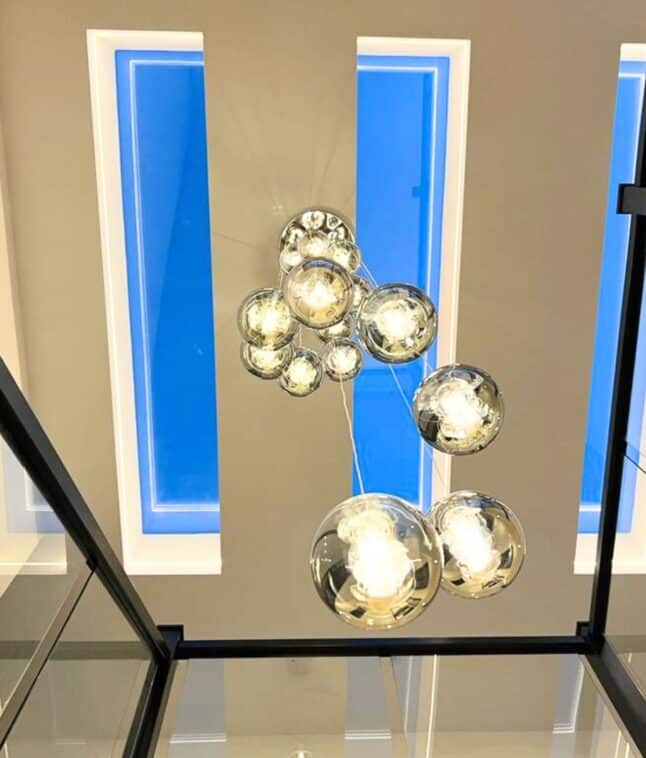
How does the careful arrangement of rooflights enhance a living area? Rooflights act as a distinctive design component that improves the overall appearance of any room. By permitting natural light to stream through, they establish a bright and spacious ambiance, making rooms appear bigger and more welcoming. The dynamic relationship between light and shadows can accentuate structural features, directing the eye toward elaborate patterns and surfaces.
Furthermore, rooflights can serve as design highlights, enhancing the appearance of previously ordinary ceilings. They are available in many different styles and sizes, affording homeowners the opportunity to suit their personal aesthetic. Whether featured in a modern minimalist property or a conventionally styled space, rooflights can harmonize with the overall design theme. Beyond this, the glimpse of the sky and surrounding environment through rooflights can create a feeling of calm and closeness to the natural world, further enhancing the sensory atmosphere within the home.
Cut Costs With Energy-Efficient Rooflights
Energy-saving rooflights provide homeowners with an effective way to lower energy expenses while improving natural light levels. Through maximizing natural daylight intake, these rooflights minimize the need for artificial lighting, producing noticeable savings on electricity bills. A wide range of models utilise cutting-edge glazing solutions that reduce heat escape in cooler periods and control heat absorption in warmer months, supporting more balanced interior temperatures.
Additionally, leveraging natural light can elevate overall morale and output, thereby justifying the investment. Householders may also find that energy-efficient rooflights are entitled to various energy efficiency incentives and rebates, increasing the financial benefits. Beyond this, the careful positioning of rooflights can optimize ventilation, reducing the need for air conditioning and also cutting energy expenses. Overall, energy-efficient rooflights present a convincing option for homeowners seeking to enhance their properties for sustainability and cost-effectiveness.
Elevate Your Home's Value With Rooflights
Rooflights can greatly enhance a home's market appeal, as they not only enhance the visual appeal but also establish a more welcoming and open environment. By allowing natural light to flood into living spaces, rooflights render rooms more expansive and inviting. This brightness can particularly attract potential buyers, making the property stand out in a competitive market.
Furthermore, rooflights are often linked to current design aesthetics, which can attract buyers in search of modern additions. The addition of these features can also signal eco-friendly performance, as they lessen the dependence on artificial lighting in daylight hours.
Moreover, well-placed rooflights can enhance the overall practicality of a home, making rooms like kitchens and living areas more comfortable. Consequently, investing in rooflights serves not only to boost the property's aesthetic appeal but also complete info to improve its market value, making it a wise choice for homeowners considering renovations.
Common Questions and Answers
How Do Rooflights Influence a Home's Insulation Characteristics?
Rooflights can enhance a home's thermal performance by permitting natural light to enter while reducing heat loss. When professionally installed, they improve thermal efficiency and lower the need for artificial lighting, contributing to overall energy savings and comfort within the space.
What Maintenance Do Rooflights Need?
Routine upkeep for rooflights involves washing the glass panels, inspecting for leaks, assessing the seals, and verifying the integrity of the surrounding roofing. Periodic assessments support ongoing functionality and reduce the risk of damage over time, promoting longevity and optimal performance.
Are Rooflights Suitable for Installation in Existing Roofs?
That's correct, rooflights are able to be incorporated into roofs that are already in place, so long as structural integrity is maintained. Professional assessment is essential to confirm that the design aligns with the current roof layout and to adhere to relevant building regulations along with insulation standards.
Are There Any Building Regulations for Installing Rooflights?
Absolutely, building codes regulate rooflight implementation, ensuring safety, energy efficiency, and structural integrity. Adhering to local regulations is crucial, often requiring official planning consent or adherence to defined standards regarding materials used, size, and placement.
What Kinds of Rooflights Can Be Found on the Market?
Various types of rooflights are available, including fixed, opening, and skylights. Available in materials including glass and polycarbonate, offering options for both aesthetic appeal and functionality, accommodating a wide range of architectural needs and preferences.